


Health and Wellbeing
At Kirton Primary School, we are committed to supporting children’s physical and emotional wellbeing. Healthy children are more likely to attend regularly, feel confident and achieve their best.
General Health
Children can experience a range of common illnesses while growing up. Knowing when to seek advice can help parents and carers feel more confident managing their child’s health.
When to see a GP
If your child has symptoms that are not improving
If they have a high temperature that lasts several days
If you are worried about breathing, dehydration, or unusual behaviour
You can also contact NHS 111 for advice if you are unsure what to do.
Helpful NHS information:
https://www.nhs.uk/conditions/baby/health/
https://www.nhs.uk/conditions/fever-in-children/
Hearing Care
Good hearing is essential for speech, communication, and learning. It’s important to recognise the signs if a child may be experiencing hearing difficulties.
Signs of hearing difficulties
-
Not responding to sounds or their name
-
Delayed speech or unclear speech
-
Turning the TV volume up high
-
Frequently saying “what?”
If you have concerns, speak to your GP or health visitor who may refer your child for a hearing test.
Glue ear and ear infections
Glue ear happens when fluid builds up in the middle ear and can cause temporary hearing loss. It is common in young children and often improves on its own.
More information:
https://www.nhs.uk/conditions/glue-ear/
https://www.nhs.uk/conditions/hearing-tests-for-children/
Eye Health
Good vision supports learning and development. All children under 16 are entitled to a free NHS sight test at a local optician, and many are invited to vision screening in school or through health checks. Regular eye tests help detect vision issues early so children get the support they need. NHS eye tests for children guidance
If you have concerns about your child’s vision or notice behaviours such as squinting or sitting very close to books or screens, book an appointment with an optician or speak to your GP.
Dental Health
Healthy teeth support eating, speech and confidence. NHS guidance explains how to care for children’s teeth from the first tooth and why regular dentist visits matter. NHS advice on children’s dental health
NHS dental care is free for children, and early dental visits help prevent tooth decay. Brush teeth twice a day with fluoride toothpaste and limit sugary snacks and drinks. A dentist can advise on fluoride varnish and other ways to protect teeth. 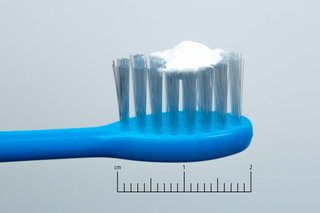 A pea-sized amount of toothpaste is advised by the NHS for children aged between 3 and 6 years.
APPS AND ONLINE RESOURCES FOR TAKING CARE OF YOUR TEETH
10 GREAT READS FOR HEALTHY SMILES
HEALTHY START POSTER WITH QR CODE
TOOTHBRUSHING GUIDELINES FOR CHILDREN
TOOTHBRUSHING GUIDELINES FOR ADULTS
ACIDITY AND DENTAL EROSION IN DRINKS FOR CHILDREN
ACIDITY AND DENTAL EROSION IN DRINKS FOR ADULTS
BRUSH YOUR TEETH - NATIONAL SMILE MONTH


Sleep
Good sleep is vital for learning, behaviour and wellbeing. NHS guidance offers practical tips on bedtime routines, settling techniques and what to try if your child is struggling to sleep. NHS sleep advice for young children
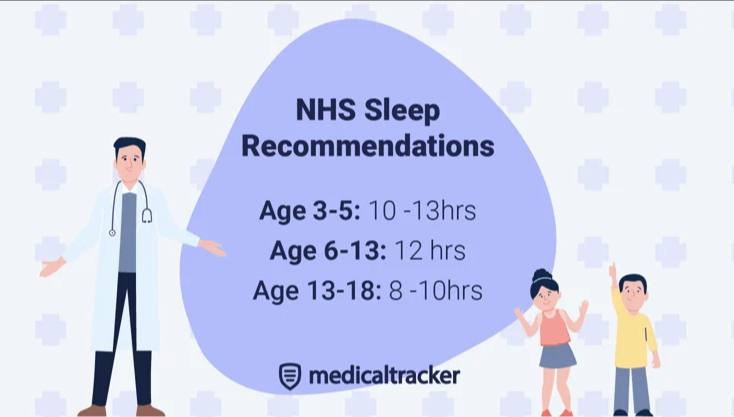
A calm bedtime routine, consistent sleep times and winding down before bed can make a big difference to how well children sleep.
Helping you and your child sleep | Contact
How much deep sleep do you need? - BBC Bitesize
CONTACT: HELPING YOUR CHILD SLEEP
Healthy Eating & Nutrition
Healthy eating helps children grow, learn and stay active. A balanced diet and regular physical activity support children’s growth, energy levels and overall wellbeing. The NHS Eatwell Guide provides helpful advice on the types and proportions of foods that support a healthy lifestyle.
A healthy, balanced diet should include a variety of foods such as:
-
Fruit and vegetables
-
Whole grains (such as bread, rice, pasta and cereals)
-
Dairy foods or dairy alternatives
-
Protein sources such as meat, fish, eggs, beans or lentils
Encouraging children to try a range of foods helps ensure they receive the nutrients they need to support healthy development.
A healthy lunchbox might include:
-
Sandwiches, wraps or pasta
-
Fruit and vegetables
-
Yogurt or cheese
-
Water or milk
Limiting sugary snacks and drinks can help protect children’s teeth and support their overall health.
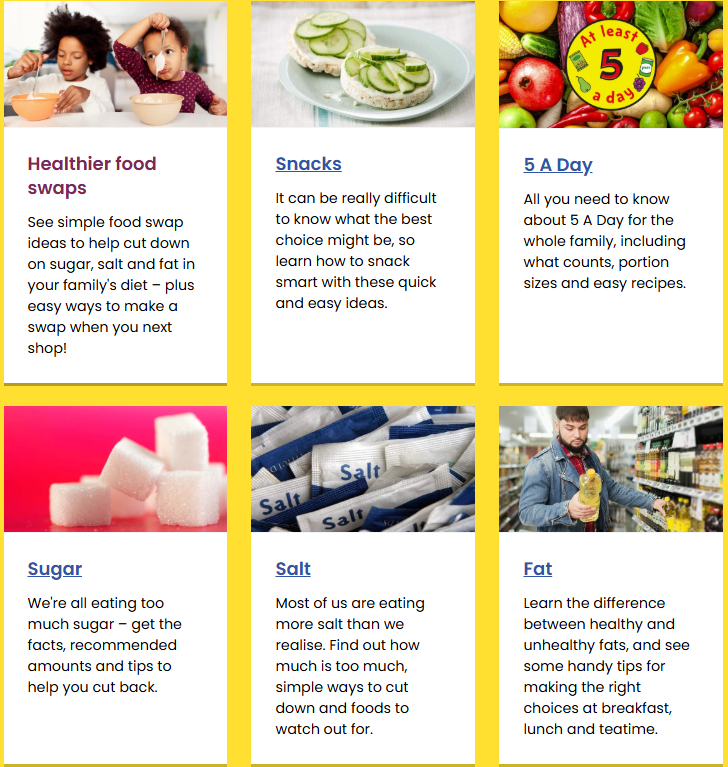
Many young children go through phases of fussy eating. Helpful strategies include:
-
Offering small portions of new foods alongside familiar foods
-
Eating together as a family where possible
-
Encouraging children to try new foods without pressure
For practical advice, recipes and tips for families:
NHS Eatwell Guide https://www.nhs.uk/live-well/eat-well/food-guidelines-and-food-labels/the-eatwell-guide/
National Child Measurement Programme https://www.nhs.uk/live-well/healthy-weight/childrens-weight/national-child-measurement-programme/
Screen Time and Digital Wellbeing
Reducing screen time, especially before bedtime, supports sleep, attention and emotional wellbeing. Limiting screens and encouraging screen-free family time helps children develop healthy habits. NHS resources offer tips on safer screen use and creating routines that work for your family.
Emotional Wellbeing
Children’s mental health is just as important as their physical health. NHS guidance for parents and carers includes how to support a child’s emotional wellbeing and where to seek support if you have concerns. NHS advice on supporting children’s mental health
If you’re ever worried, speak to your child’s class teacher or GP — we’re here to help.
When to Keep Your Child at Home
Please keep your child at home if they have:
-
A high temperature
-
Sickness or diarrhoea (48 hours after the last episode)
-
A contagious illness
If you are unsure, please contact the school office for guidance.
Working Together
If your child has a medical condition, allergies or specific health needs, please let us know so we can provide the best possible support at school.
By working together, we can help all children be happy, healthy and ready to learn.